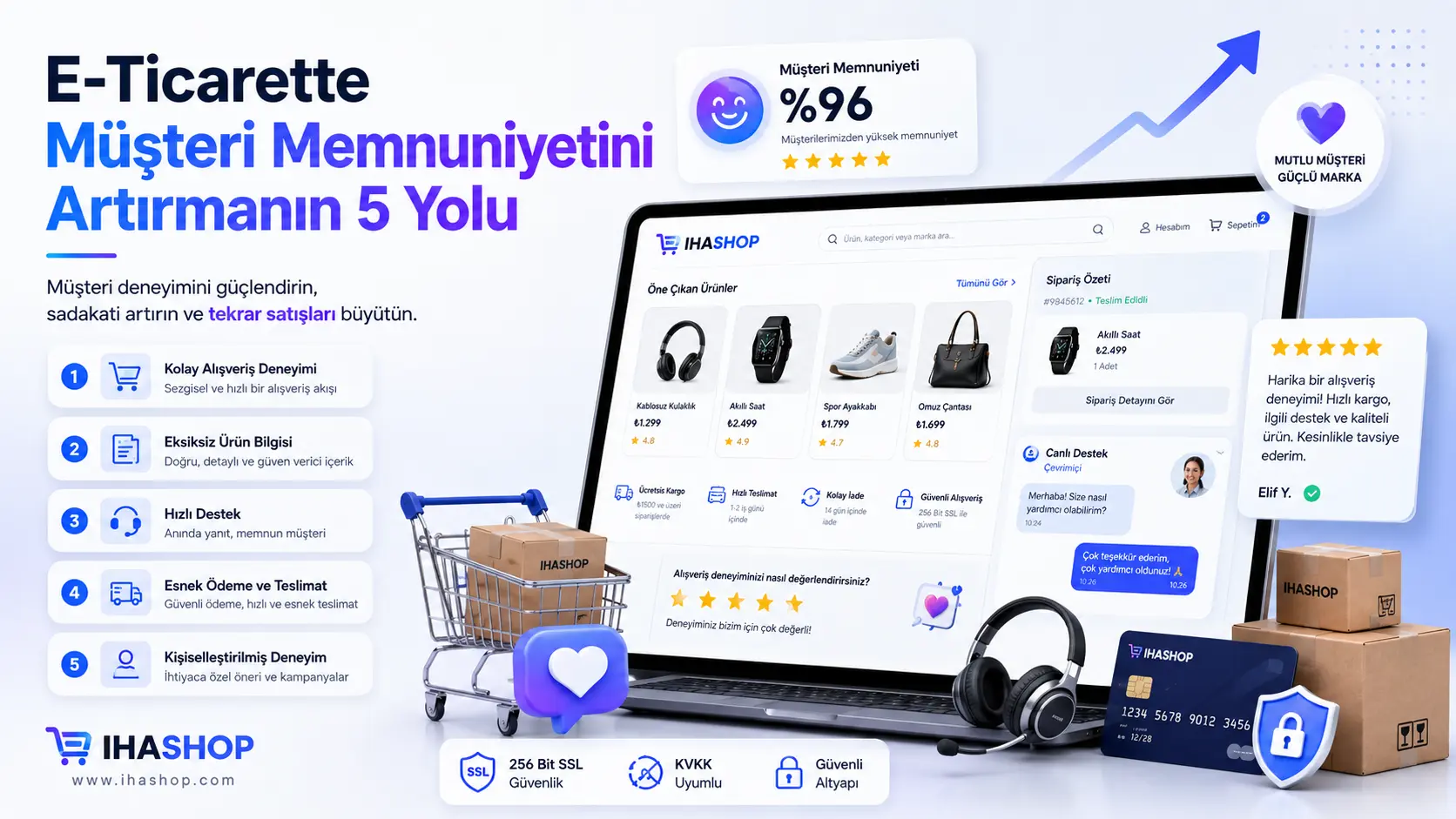
Succeeding in e-commerce goes far beyond securing that initial sale. The real value lies in ensuring customers leave your online store fully satisfied, return for repeat purchases, and enthusiastically recommend your brand to others.
E-commerce customer satisfaction is the cumulative result of intuitive web design, accurate product information, seamless checkout, reliable delivery, responsive customer support, and post-purchase communication. When shoppers feel secure, can easily track their orders, and receive prompt assistance, their brand loyalty skyrockets.
Therefore, customer satisfaction is not just the responsibility of your support team. Every touchpoint—from store layout and product descriptions to checkout flow and shipping updates—directly shapes the overall user experience (UX).
Here are 5 proven strategies to boost e-commerce customer satisfaction, enhance customer retention, and drive repeat purchases for your online store.
1. Streamline the Shopping Experience (UX)
Shoppers should find what they are looking for effortlessly, compare products quickly, and add items to their cart without friction. Cluttered category structures, slow page load times, ambiguous call-to-action (CTA) buttons, and confusing product grids quickly erode customer trust.
To deliver a superior shopping experience, keep your navigation clean, optimize your on-site search, and provide intuitive filtering options. On the product page, crucial details like pricing, real-time stock status, variants, shipping terms, and the "Add to Cart" button must be prominently displayed.
The less cognitive load you place on your visitors, the faster they make buying decisions. Every screen on your e-commerce store should aim to deliver clear information and simplify the path to purchase.
2. Provide Comprehensive Product Information
Vague, one-sentence product descriptions are conversion killers. Online shoppers demand detailed product specifications before committing to a purchase. Ensure your product pages clearly outline dimensions, materials, sizing charts, technical specs, usage guides, warranties, and return policies.
Incomplete details delay purchase decisions and overload your customer support team. When customers find all necessary answers directly on the product page, it accelerates conversions and minimizes post-purchase mismatches, reducing return rates.
High-quality visuals are equally essential. Utilize high-resolution images, multi-angle shots, and lifestyle videos to help customers visualize the product in real life, bridging the gap between digital browsing and physical touch.
3. Deliver Fast and Transparent Customer Support
When customers have questions, they expect immediate answers. Ensure your communication channels—such as live chat, helpdesk tickets, email, or phone support—are highly visible and easily accessible. Hiding contact details or forcing users through endless forms damages brand credibility.
In customer service, speed is only half the battle; clarity, consistency, and a solution-oriented approach are just as vital. If a customer receives conflicting answers from different support channels, it severely undermines their trust in your brand.
Equip your support team with a unified dashboard where they can instantly access order history, payment status, shipping details, and return requests. This prevents customers from having to repeat their issues, leading to faster first-contact resolution (FCR).
4. Offer Flexible Payment and Delivery Options
Different shoppers prefer different payment methods. Offering a diverse mix of credit cards, bank transfers, installment plans, and digital wallets (like PayPal or Apple Pay) significantly reduces cart abandonment and drives conversions.
Similarly, delivery times, carrier choices, shipping costs, and hassle-free return policies directly impact e-commerce customer satisfaction. Always display all shipping costs and delivery estimates upfront to avoid unpleasant surprises at checkout.
Hidden fees discovered at the checkout stage are the leading cause of abandoned carts. Make sure shipping fees, delivery timelines, and return policies are transparent from the very beginning of the buyer's journey.
5. Deliver a Personalized Shopping Experience
Personalization is a highly effective way to elevate the customer experience. Recommending products based on browsing history, past purchases, or cart behavior can significantly increase average order value (AOV) and customer loyalty.
However, personalization should always feel helpful and respectful, not intrusive. The goal is to assist customers in finding relevant products effortlessly, rather than making them feel targeted or pressured.
For instance, showing complementary products to past buyers, sending gentle cart abandonment reminders, or offering exclusive personalized discounts can dramatically boost satisfaction and retention.
Conclusion
Ultimately, customer satisfaction is the engine of sustainable e-commerce growth. A satisfied customer does not just buy again; they become a brand advocate, strengthening your store's credibility.
To build a successful online store, you must ensure seamless navigation, transparent product details, secure payments, easy order tracking, and rapid customer support. When these elements work in harmony, customer satisfaction increases organically.
With IHASHOP, you can seamlessly manage your products, orders, customers, and support workflows to deliver an exceptional shopping experience. Leverage our conversion-focused e-commerce infrastructure and intuitive admin panel to boost customer satisfaction and drive repeat sales today.