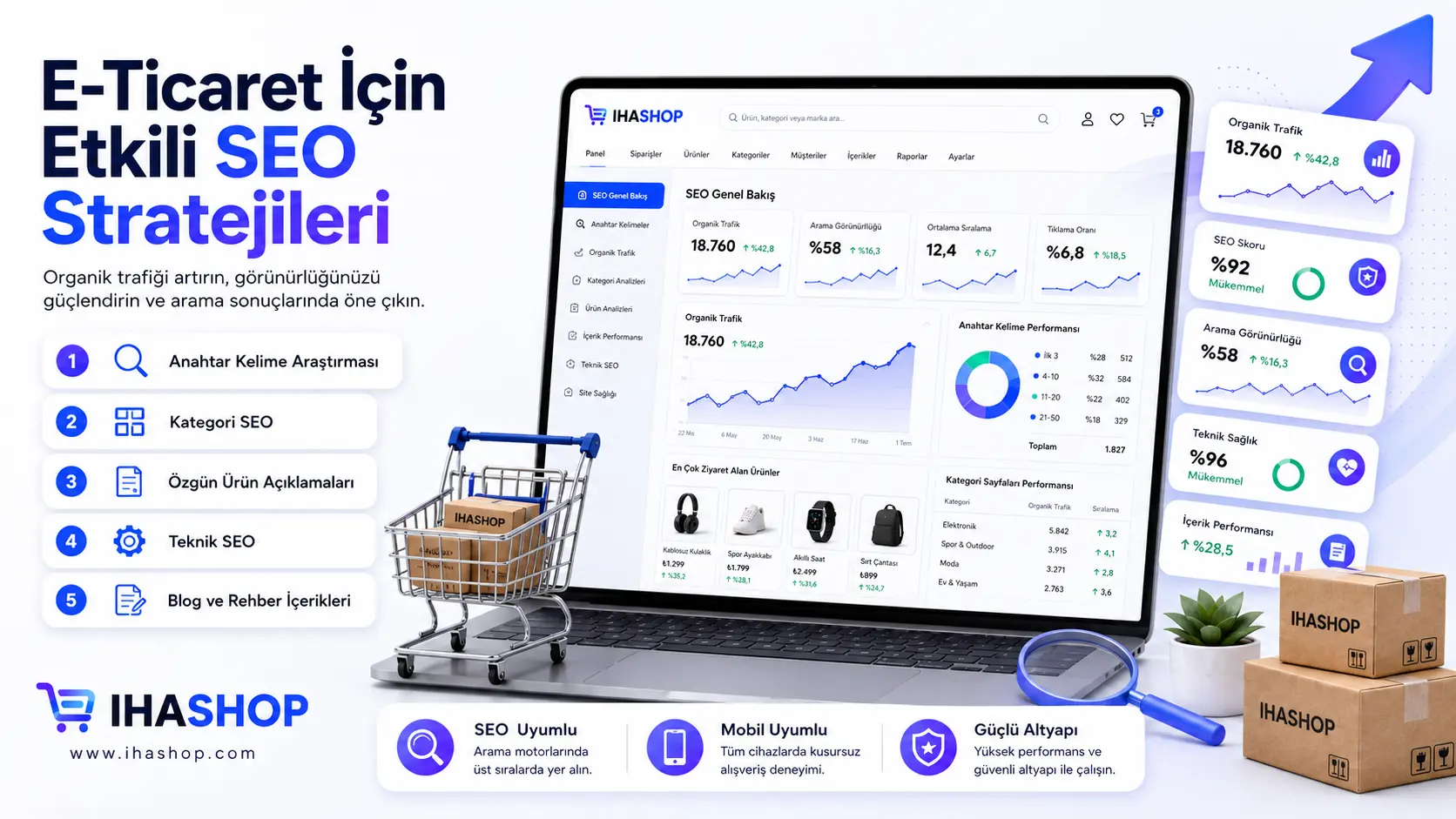
In the competitive digital marketplace, e-commerce SEO is far more than a technical checklist to rank higher on search engines. A well-executed search engine optimization strategy ensures that high-intent buyers can easily discover your products, establishes brand authority, and significantly reduces your reliance on expensive paid ads.
Successful SEO for e-commerce stores goes beyond stuffing keywords into product pages. It requires a holistic approach that connects your site structure, category pages, product descriptions, technical performance, and content marketing. While organic traffic is a long-term investment, it ultimately becomes your most valuable and sustainable growth driver.
E-commerce brands that consistently invest in SEO build a continuous funnel of high-quality organic visitors. This guide outlines 5 foundational e-commerce SEO strategies to optimize your online store, improve search visibility, and drive sustainable revenue.
1. Start with Intent-Driven Keyword Research
The foundation of any successful e-commerce SEO strategy is deep keyword research. To attract the right audience, you must understand exactly how your target customers search. Are they looking for specific brand names, broad product categories, or searching for solutions to specific problems?
Creating product and category pages without keyword mapping often leads to wasted effort. While you might describe your items using industry jargon, consumers might use completely different search queries.
For example, while a retailer might label a product as "athletic footwear," users are more likely to search for "running shoes," "comfortable white sneakers," or "lightweight gym shoes." Aligning your content with user search intent ensures your product pages, category descriptions, and blog posts attract highly relevant, conversion-ready visitors.
2. Optimize and Strengthen Category Pages
Category pages are among the most valuable assets in e-commerce SEO. Many shoppers search for broad product types rather than specific item names. Therefore, category pages should never be empty grids showcasing products; they must act as comprehensive hubs.
Optimize category pages with unique, informative, and conversion-oriented content. Instead of keyword stuffing, write helpful copy that guides the buyer's decision-making process. Explain what types of products are available, how to choose the right one, and what key features to look for.
Additionally, ensure your category pages feature clean heading hierarchies, intuitive filter structures, descriptive meta tags, and user-friendly URL paths. A well-optimized category page satisfies both search engine crawlers and user experience (UX).
3. Eliminate Duplicate Content on Product Pages
Using default manufacturer descriptions is one of the most common SEO mistakes. When multiple online retailers use the exact same copy, search engines struggle to rank your pages, often flagging them as duplicate content.
To stand out, write unique and compelling product descriptions. Highlight key benefits, real-world use cases, technical specifications, unique selling propositions (USPs), and answer frequently asked questions (FAQs). Don't just list technical specs; explain why the customer needs the product and how it solves their pain points.
Unique product descriptions not only boost search engine rankings but also significantly improve conversion rates by building trust and guiding the customer's purchasing decision.
4. Maintain Excellent Technical SEO Health
Technical SEO is the invisible backbone of any high-performing e-commerce website. Key components include page speed, mobile responsiveness, structured data (schema markup), clean URL architecture, canonical tags, XML sitemaps, and proper redirect management.
As your product catalog grows, maintaining technical SEO health becomes increasingly critical. Broken links, duplicate pages caused by faceted navigation, redirect loops, and slow-loading media can severely harm your organic performance.
A fast, mobile-friendly website keeps users engaged and signals to search engines that your site is reliable. Technical SEO is not a one-time setup; it requires regular audits and ongoing optimization to ensure peak performance.
5. Publish Informative Blogs and Buying Guides
The customer journey rarely begins directly on a product page. Most shoppers start in the informational phase, researching options, comparing brands, and reading reviews. High-quality blog posts and buying guides allow you to capture these top-of-funnel users.
Instead of searching for a specific product, a user might search for "how to choose the best running shoes," "what to look for in a leather handbag," or "e-commerce tips for small businesses." This is where content marketing shines.
By publishing educational blog content, you increase your brand's search visibility, establish authority in your niche, and naturally guide readers to your category and product pages through strategic internal linking.
Conclusion
SEO is a long-term, high-yield investment for e-commerce brands. Rather than expecting overnight miracles, focus on building a solid technical foundation, producing high-quality content, and maintaining consistent optimization habits.
A winning e-commerce SEO strategy combines intent-driven keyword targeting, optimized category and product pages, flawless technical performance, and informational blog content that captures users at every stage of the funnel.
IHASHOP’s SEO-centric content and page management features are designed to maximize your store's search engine visibility. By implementing these practices, you can attract more organic visitors, lower your customer acquisition costs (CAC), and scale your e-commerce business sustainably.